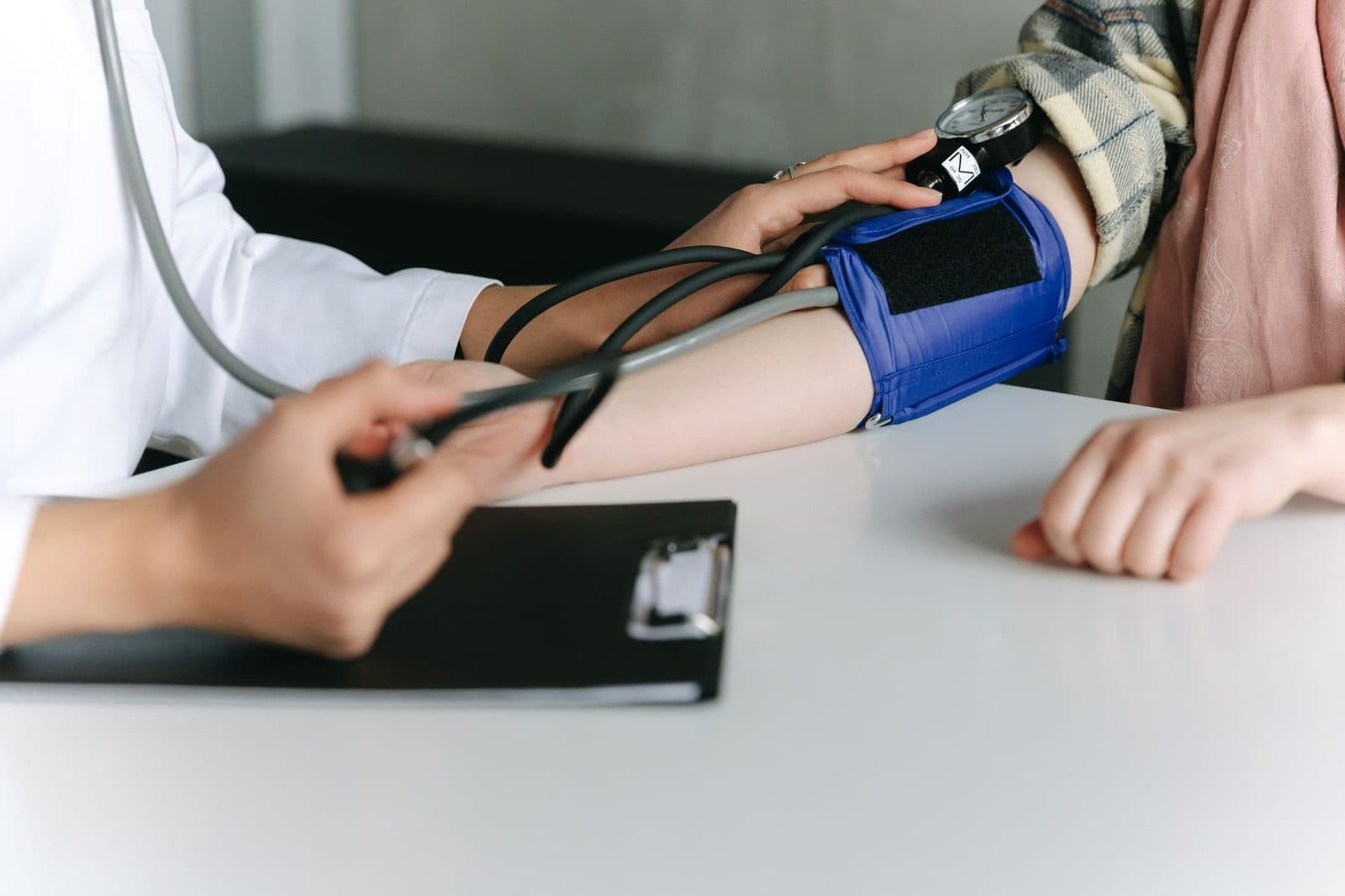
High blood pressure, often called the "silent killer," affects nearly half of all American adults. The danger lies not just in the condition itself, but in how easily its warning signs can go unnoticed until serious complications arise. Understanding what to watch for could save your life.
While high blood pressure often presents no symptoms in its early stages, there are critical warning signs that should never be ignored. If you experience any of these symptoms, especially in combination, it's essential to seek medical attention promptly.
1. Severe Headaches That Won't Quit
When blood pressure spikes to dangerously high levels (a condition known as hypertensive crisis), it can cause intense, throbbing headaches that feel different from typical tension headaches or migraines. These headaches often present as a pounding sensation that may worsen with physical activity.
The mechanism behind these headaches involves increased pressure on blood vessels in the brain. When your blood pressure rises significantly above 180/120 mm Hg, the force against arterial walls can trigger severe pain. If you experience a sudden, severe headache accompanied by confusion, vision problems, or difficulty speaking, seek emergency medical care immediately. These may be signs of a hypertensive emergency or even stroke.
2. Shortness of Breath or Chest Discomfort
Difficulty breathing or a feeling of tightness in your chest can signal that your heart is working overtime to pump blood against elevated pressure in your arteries. Over time, high blood pressure forces your heart muscle to work harder, which can lead to left ventricular hypertrophy, a thickening of the heart's main pumping chamber.
This increased workload reduces your heart's efficiency and can cause shortness of breath, especially during physical activity or when lying flat. You might notice you need to prop yourself up with extra pillows at night or feel winded climbing stairs that never bothered you before. These symptoms warrant immediate evaluation, as they can indicate heart failure or coronary artery disease.
"Nearly 1 in 3 adults with high blood pressure don't know they have it. Regular monitoring is your best defense against this silent condition."
3. Vision Changes or Blurred Sight
Your eyes offer a unique window into your cardiovascular health. High blood pressure can damage the tiny, delicate blood vessels in your retina, a condition called hypertensive retinopathy. When blood pressure remains elevated over time, these vessels may narrow, leak, or become blocked.
Warning signs include sudden blurred vision, double vision, or seeing spots or floaters. Some people describe it as looking through a fog or noticing dark areas in their field of vision. In severe cases, untreated high blood pressure can lead to retinal hemorrhage or even permanent vision loss. Any sudden change in vision requires urgent medical evaluation, as it may indicate not only eye damage but also increased risk for stroke.
4. Persistent Nosebleeds
While occasional nosebleeds are common and usually harmless, frequent or difficult-to-stop nosebleeds can be a red flag for dangerously high blood pressure. The blood vessels in your nose are particularly fragile, and when blood pressure reaches crisis levels, these vessels are more prone to rupture.
Research shows that nosebleeds are more common in people with uncontrolled hypertension, particularly when systolic pressure (the top number) exceeds 200 mm Hg. If you experience recurrent nosebleeds, especially if they're accompanied by other symptoms like headache, dizziness, or facial flushing, have your blood pressure checked promptly. In emergency situations, severe nosebleeds combined with extremely high blood pressure readings require immediate medical intervention.
5. Fatigue, Confusion, or Difficulty Concentrating
When your brain doesn't receive adequate blood flow due to vascular changes from high blood pressure, you may experience cognitive symptoms that are easy to dismiss as stress or aging. These can include unusual fatigue, trouble concentrating, memory problems, or episodes of confusion.
Chronic high blood pressure affects the small blood vessels throughout your brain, potentially leading to what's called vascular cognitive impairment. You might find yourself forgetting appointments, struggling to focus on tasks that were once easy, or feeling mentally foggy. Some people describe feeling "not quite themselves" or notice their thinking isn't as sharp as it used to be.
These subtle changes often develop gradually, making them particularly insidious. If family members comment on changes in your memory or personality, or if you're experiencing unexplained fatigue despite adequate rest, it's worth having both your blood pressure and cognitive function evaluated.
Understanding Your Risk and Taking Action
High blood pressure rarely announces itself with obvious symptoms until it reaches dangerous levels or causes organ damage. That's why it's earned its reputation as a silent killer. The American Heart Association estimates that 103 million U.S. adults have high blood pressure, yet many remain undiagnosed or inadequately treated.
Several factors increase your risk for developing high blood pressure:
- Age: risk increases after 45 for men and after 55 for women
- Family history of cardiovascular disease
- Being overweight or obese
- Physical inactivity and sedentary lifestyle
- High sodium diet and excessive alcohol consumption
- Chronic stress and poor sleep quality
- Certain chronic conditions like diabetes and kidney disease
When to Seek Medical Attention
If you experience any of the warning signs described above, don't wait to see if they resolve on their own. Contact your healthcare provider promptly, especially if you have:
- Blood pressure readings consistently above 130/80 mm Hg
- A sudden spike in blood pressure above 180/120 mm Hg
- Multiple warning symptoms occurring together
- Known risk factors and no recent blood pressure check
Call 911 immediately if you have severely elevated blood pressure combined with chest pain, shortness of breath, severe headache, vision changes, difficulty speaking, weakness, or numbness. These could indicate a hypertensive crisis, heart attack, or stroke.
Prevention and Management
The good news is that high blood pressure is highly manageable with the right approach. Lifestyle modifications form the foundation of blood pressure control:
- Monitor regularly: Check your blood pressure at home and track readings over time
- Reduce sodium: Aim for less than 2,300 mg per day, ideally 1,500 mg
- Move your body: Aim for at least 150 minutes of moderate aerobic activity weekly
- Maintain healthy weight: Even losing 5-10 pounds can significantly lower blood pressure
- Limit alcohol: No more than two drinks per day for men, one for women
- Manage stress: Practice relaxation techniques, meditation, or yoga
- Prioritize sleep: Aim for 7-9 hours of quality sleep each night
For many people, medication becomes an important part of blood pressure management. Several classes of medications can effectively lower blood pressure, and your healthcare provider can help determine the best approach for your individual situation.
High blood pressure doesn't have to be a life sentence of complications and worry. With awareness of warning signs, regular monitoring, and proactive management, you can protect your heart, brain, kidneys, and overall health. The key is recognizing symptoms early and working closely with a healthcare provider who understands your unique health profile and goals.
Don't ignore the warning signs your body is sending. Early detection and treatment of high blood pressure can prevent heart attack, stroke, kidney failure, and other serious complications. Your cardiovascular health is too important to leave to chance.
Reviewed by Dr. Andrew Hemmen, MD
This article provides general health information and is not a substitute for professional medical advice, diagnosis, or treatment. Always consult with your healthcare provider about your specific health concerns and before making changes to your treatment plan.