
Type 2 Diabetes Treatment in Albuquerque
Type 2 diabetes is a chronic condition affecting how your body processes blood sugar, but with proper medical care, it can be effectively managed. At Body1MD Primary Care & Wellness, Dr. Hemmen provides comprehensive diabetes care combining medication management, nutrition and exercise guidance, and regular monitoring to help you live a healthier, fuller life.
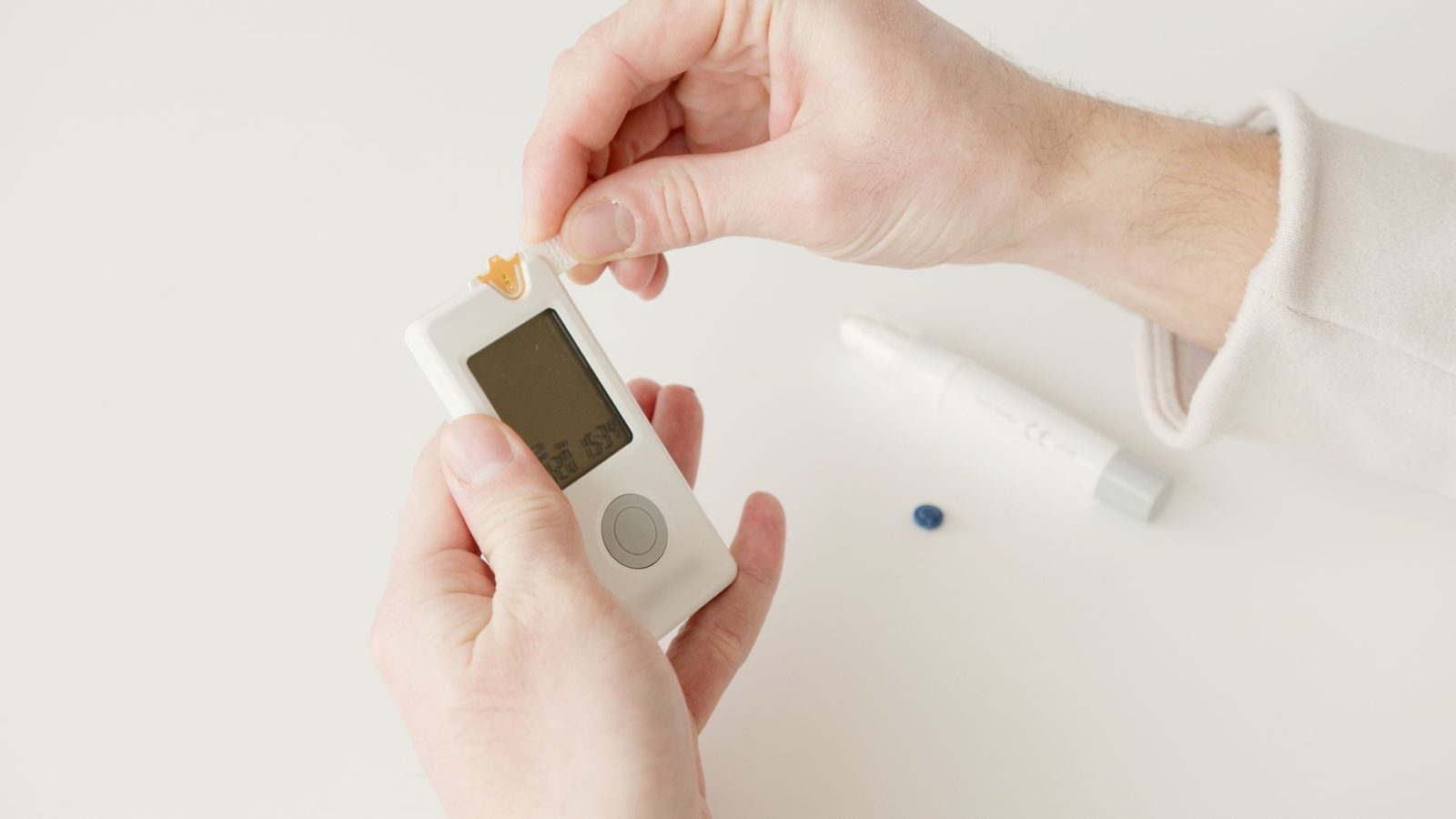
Understanding Type 2 Diabetes
Type 2 diabetes is a metabolic disorder characterized by insulin resistance and elevated blood glucose levels. Unlike Type 1 diabetes, where the body produces no insulin, Type 2 diabetes occurs when your body either doesn't produce enough insulin or your cells become resistant to insulin's effects. This chronic condition affects over 37 million Americans. Left unmanaged, Type 2 diabetes can lead to serious complications including heart disease, kidney damage, vision loss, nerve damage, and circulatory problems. The good news is that with proper medical treatment and lifestyle modifications, most people with Type 2 diabetes can achieve good blood sugar control and prevent or delay complications, maintaining quality of life and longevity.
The development of Type 2 diabetes involves multiple contributing factors working together over time. Being overweight or obese is the most significant modifiable risk factor, as excess body fat, particularly around the abdomen, increases insulin resistance. Physical inactivity compounds this problem by reducing the body's ability to use glucose effectively. Genetic predisposition plays a substantial role; having a parent or sibling with Type 2 diabetes significantly increases your risk. Age is another factor, with risk increasing after 45, though Type 2 diabetes is increasingly diagnosed in younger adults and even children. Race and ethnicity matter as well: African Americans, Hispanic/Latino Americans, Native Americans, and Asian Americans face higher risk. Additional risk factors include prediabetes (elevated blood sugar that hasn't reached diabetic levels), polycystic ovary syndrome (PCOS), gestational diabetes during pregnancy, and conditions associated with metabolic syndrome such as high blood pressure and abnormal cholesterol levels.
Professional medical treatment for Type 2 diabetes is essential, not optional. While you may have heard that lifestyle changes alone can manage diabetes, the reality is that most people require medication in addition to diet and exercise modifications to achieve target blood glucose levels. Without proper treatment, chronically elevated blood sugar damages blood vessels and nerves throughout your body, leading to complications that can dramatically impact quality of life and longevity. Professional diabetes care provides regular monitoring of blood glucose levels, HbA1c testing to track long-term control, screening for complications, medication adjustments based on your response, and evidence-based guidance on nutrition, exercise, and self-management. At Body1MD Primary Care & Wellness in Albuquerque, we take a comprehensive approach that treats the whole person, not just blood sugar numbers. We partner with you to create a sustainable treatment plan that fits your life, addresses your specific challenges, and empowers you to take control of your health while providing the medical expertise and ongoing support necessary for long-term success.
Signs & Symptoms of Type 2 Diabetes
- Increased Thirst (Polydipsia): Persistent, excessive thirst even after drinking fluids, caused by high blood sugar drawing water from tissues.
- Frequent Urination (Polyuria): Needing to urinate more often than usual, especially at night, as kidneys work to eliminate excess glucose.
- Increased Hunger: Feeling hungry soon after eating because cells aren't getting enough glucose despite high blood sugar levels.
- Unexplained Weight Loss: Losing weight without trying as your body breaks down muscle and fat for energy when it can't use glucose properly.
- Persistent Fatigue: Feeling tired and lacking energy throughout the day because your cells aren't getting sufficient glucose for fuel.
- Blurred Vision: Difficulty focusing or seeing clearly as high blood sugar causes the lens of your eye to swell.
- Slow-Healing Sores or Cuts: Wounds taking longer than normal to heal due to impaired circulation and immune function from elevated blood sugar.
- Frequent Infections: Recurring skin infections, urinary tract infections, or yeast infections as high glucose creates an environment for bacteria and fungi.
- Numbness or Tingling: Pins-and-needles sensation in hands or feet (peripheral neuropathy) from nerve damage caused by prolonged high blood sugar.
- Darkened Skin Patches: Dark, velvety patches of skin (acanthosis nigricans) in body folds and creases, often an early sign of insulin resistance.
- Irritability or Mood Changes: Feeling irritable, anxious, or experiencing mood swings related to blood sugar fluctuations and the stress of undiagnosed illness.
- Sexual Dysfunction: Erectile dysfunction in men or reduced sexual response in women due to nerve and blood vessel damage from diabetes.
What to Expect
- Type 2 diabetes is a chronic metabolic condition requiring lifelong management, but it can be effectively controlled with proper treatment combining medication, lifestyle changes, and monitoring.
- Most patients require medication in addition to lifestyle modifications to achieve healthy blood sugar levels; professional medical care is essential, not optional.
- Early treatment and consistent management prevent serious complications including heart disease, kidney damage, vision loss, nerve damage, and circulatory problems.
- Treatment typically includes oral medications or insulin, medical nutrition therapy, structured physical activity, regular monitoring, and screening for complications.
- Many people with Type 2 diabetes experience mild or no symptoms initially, making screening important for those with risk factors; don't wait for severe symptoms to develop.
- With consistent care and treatment adjusted to your response, most people with Type 2 diabetes can achieve good blood sugar control and maintain a good quality of life.
How We Treat Type 2 Diabetes
Comprehensive Assessment
Your treatment begins with thorough evaluation including detailed medical history, physical examination, and lab work ordered to measure blood glucose, HbA1c, lipid profile, kidney function, and other metabolic markers. We assess for complications, review medications, and identify contributing factors. This complete picture allows us to understand not just your diabetes, but your overall health and individual circumstances.
Personalized Treatment Plan
Based on your assessment, we create an individualized treatment plan that typically includes medication selection (oral medications like metformin, GLP-1 agonists, SGLT2 inhibitors, or insulin if needed), specific nutritional guidance tailored to your preferences and lifestyle, structured physical activity recommendations, and blood glucose monitoring protocols. We explain each component clearly and involve you in all decisions, ensuring your plan is both evidence-based and realistic for your daily life.
Ongoing Care & Monitoring
Type 2 diabetes requires continuous management, not one-time treatment. We provide regular follow-up visits to review blood glucose logs, adjust medications based on your response, monitor for complications with annual screening, and offer ongoing education and support. You'll have direct access to Dr. Hemmen by phone and text between visits for questions or concerns. We track progress through regular HbA1c testing and celebrate improvements while addressing challenges collaboratively.
Benefits
Board-Certified Expertise
Dr. Hemmen is board-certified in Internal Medicine and stays current with the latest diabetes treatment guidelines, medications, and research.
Personalized Approach
We recognize that every patient is unique, tailoring treatment plans to your specific health status, lifestyle, preferences, and goals rather than one-size-fits-all protocols.
Direct Access Between Visits
Reach Dr. Hemmen directly by phone and text about glucose readings, medication questions, or side effects. He will advise whether a phone check-in is enough or you should come in, which makes consistent diabetes care easier to fit into a busy Albuquerque schedule.
Extensive Experience
After more than 20 years caring for hospitalized patients, Dr. Hemmen built Body1MD to practice medicine further upstream, with a proactive plan designed to keep preventable problems, including diabetes complications, from becoming serious ones.
Your Treatment Journey
First Evaluation (Week 1)
Your initial visit includes comprehensive history, physical examination, and ordering necessary lab work (fasting glucose, HbA1c, lipid panel, kidney function, urine microalbumin). We review your symptoms, discuss risk factors, and begin education about Type 2 diabetes. If you don't have recent labs, we'll order them and schedule a follow-up to review results and initiate treatment. For patients with established diagnosis, we may start or adjust medication at this first visit based on current control.
Treatment Begins (Weeks 2-4)
Once labs are reviewed, we establish your individualized treatment plan including medication initiation or adjustment, specific dietary recommendations, physical activity goals, and blood glucose monitoring schedule. We provide education on medication use, recognizing hypoglycemia, sick-day management, and lifestyle modifications. You'll start implementing changes while monitoring blood sugar at home. We remain accessible during this initial period to answer questions and address any medication side effects or concerns.
Progress Review (Months 2-3)
Follow-up visits occur every 4-8 weeks initially to review home glucose logs, assess medication tolerance and effectiveness, check blood pressure and weight, and order repeat HbA1c testing. We adjust medications based on your response, celebrate improvements, troubleshoot challenges, and refine lifestyle recommendations. This iterative process continues until we achieve your target glucose control. Most patients see significant improvement in blood sugar levels within 2-3 months of starting appropriate treatment, though individual response varies.
Long-Term Management
Once blood sugar is well-controlled, visits typically occur every 3-4 months for ongoing monitoring, medication management, and complication screening. This includes HbA1c testing every 3 to 6 months, annual comprehensive foot exams, referral for yearly eye exams, regular kidney function monitoring, and cardiovascular risk assessment. Type 2 diabetes is a lifelong condition requiring consistent management, but with good control, you can prevent or delay complications and maintain excellent quality of life. We're your long-term partners in diabetes care, adapting treatment as your needs evolve over time.
Evidence-Based Treatment Modalities
Our diabetes treatment incorporates evidence-based approaches proven effective through clinical research. First-line therapy typically begins with metformin, which reduces glucose production in the liver and improves insulin sensitivity. For patients who need additional glucose control, we may add GLP-1 receptor agonists (like semaglutide or dulaglutide) which stimulate insulin release, slow stomach emptying, and often promote weight loss, or SGLT2 inhibitors which help kidneys remove excess glucose through urine while providing cardiovascular and kidney protection. DPP-4 inhibitors offer another option for boosting insulin production. Some patients benefit from insulin therapy, either basal (long-acting) insulin for background control or mealtime (rapid-acting) insulin for coverage. Beyond medication, we emphasize nutrition guidance focusing on carbohydrate management, portion control, and Mediterranean-style eating patterns. Regular physical activity, both aerobic exercise and resistance training, improves insulin sensitivity significantly. We also address related conditions like hypertension and high cholesterol, provide diabetic foot care education, and support smoking cessation when relevant. Our comprehensive approach treats the whole metabolic picture, not just blood sugar numbers.
When to Seek Help
If you recognize these signs, help is available. Early treatment leads to better outcomes. Many people with Type 2 diabetes experience mild or no symptoms initially, which is why screening is important if you have risk factors. Don't wait for symptoms to become severe. Early intervention can prevent complications and improve long-term health.
Common Questions About Type 2 Diabetes
How long does Type 2 diabetes treatment take?
Type 2 diabetes is a chronic condition requiring lifelong management rather than a temporary treatment with a defined endpoint. However, you can expect to see improvements in blood sugar levels within 2-4 weeks of starting medication, with significant improvement often achieved within 2-3 months. The goal is achieving and maintaining target HbA1c levels (typically below 7% for most patients, though individual targets vary) through ongoing medication, lifestyle management, and regular monitoring. Some patients who achieve substantial weight loss through lifestyle changes may be able to reduce medication dosages or, in select cases, achieve remission where blood sugar normalizes without medication, but this requires sustained lifestyle changes and continued monitoring. The treatment journey is ongoing, but with proper management, most people with Type 2 diabetes live full, healthy lives.
Will I definitely need medication for Type 2 diabetes?
Most people with Type 2 diabetes require medication to achieve adequate blood sugar control, particularly as the disease progresses. While lifestyle modifications (including weight loss, dietary changes, and regular exercise) are essential components of treatment and can significantly improve blood sugar, they alone are often insufficient to achieve target glucose levels for many patients. Current medical guidelines recommend starting metformin at the time of diagnosis for most patients while simultaneously implementing lifestyle changes, as this combination approach achieves better outcomes than lifestyle modification alone. Some people with very early, mild diabetes or prediabetes may initially manage with lifestyle changes only, but most will eventually need medication as the progressive nature of Type 2 diabetes causes declining insulin production over time. The goal isn't to avoid medication. It's to achieve healthy blood sugar levels by whatever safe, effective means necessary to prevent complications.
Does insurance cover Type 2 diabetes treatment?
Body1MD is a direct primary care practice and does not bill insurance. Members pay the practice directly through a month-to-month membership ($100/month under age 50, $150/month for age 50 and older) with no annual contract, and ongoing diabetes care with Dr. Hemmen is part of that primary care relationship. Many direct primary care members keep insurance or a high-deductible plan for hospital care, specialists, and imaging, and coverage for diabetes medications and glucose monitoring supplies varies by plan; some newer medications require prior authorization or step therapy (trying older, less expensive options first). When cost is a barrier, lower-cost generic alternatives and manufacturer assistance programs are often available and can be part of the conversation about your treatment. Dr. Hemmen's office can explain how outside labs, imaging, and prescriptions are handled before you join.
What if my blood sugar doesn't improve with treatment?
If your blood sugar doesn't improve adequately with initial treatment, we have multiple options to intensify diabetes management. First, we assess adherence: are you taking medications as prescribed, and are lifestyle recommendations being implemented? We review home glucose monitoring data to understand patterns. Then we adjust the treatment plan, which might include increasing medication dosages, adding a second or third medication with complementary mechanisms of action (Type 2 diabetes treatment often requires multiple medications working together), switching to more effective medication classes, or initiating insulin therapy if oral medications prove insufficient. We also investigate potential barriers such as medication side effects, cost issues affecting adherence, unrecognized medication interactions, or other medical conditions interfering with glucose control. Sometimes referral to an endocrinologist (diabetes specialist) is appropriate for complex or difficult-to-control cases. The key is persistence. There are many effective treatment options available, and we'll keep adjusting until we find the right combination for you.
Can I reach Dr. Hemmen between visits about my diabetes?
Yes. Body1MD members have direct access to Dr. Hemmen by phone and text between visits. Many day-to-day parts of diabetes care, such as reviewing home glucose readings, answering medication questions, troubleshooting side effects, discussing dietary challenges, and ordering lab work, can often be handled this way, and he will advise whether a phone check-in is enough or you should come in. In-person visits remain important for a comprehensive physical examination, baseline assessment, foot checks, and other hands-on care. Visits are designed to last up to an hour, and in the exam room you and Dr. Hemmen can review your results together on a large-format display. When something needs to be seen sooner, same- or next-day appointments are available in most cases.
Can Type 2 diabetes be reversed or cured?
While Type 2 diabetes cannot be "cured" in the traditional sense, some people can achieve remission, a state where blood glucose levels normalize without diabetes medication. This typically requires substantial weight loss (often 10-15% of body weight or more) achieved through intensive lifestyle modification, and sometimes bariatric surgery. Remission is more likely in people diagnosed recently rather than those with long-standing diabetes. However, even in remission, the underlying predisposition remains: blood sugar must be monitored, healthy lifestyle maintained, and medication may need to be restarted if glucose levels rise again. The more realistic and achievable goal for most people is excellent diabetes control, where blood sugar levels stay in healthy ranges with treatment, complications are prevented, and quality of life is maintained. This is absolutely attainable for the vast majority of patients with proper treatment and represents a highly successful outcome, even if medication continues to be necessary.
Related Conditions
Related
Hypertension (High Blood Pressure)
Often occurs alongside Type 2 diabetes; managing both conditions reduces cardiovascular risk.
Related
High Cholesterol
Frequently accompanies diabetes as part of metabolic syndrome; treatment reduces heart disease risk.
Related
Obesity & Weight Management
Major risk factor for Type 2 diabetes; weight loss significantly improves blood sugar control.
Get Help for Type 2 Diabetes Today
You don't have to face Type 2 diabetes alone. Dr. Hemmen is ready to help you build a plan that fits your life.
Book a Visit