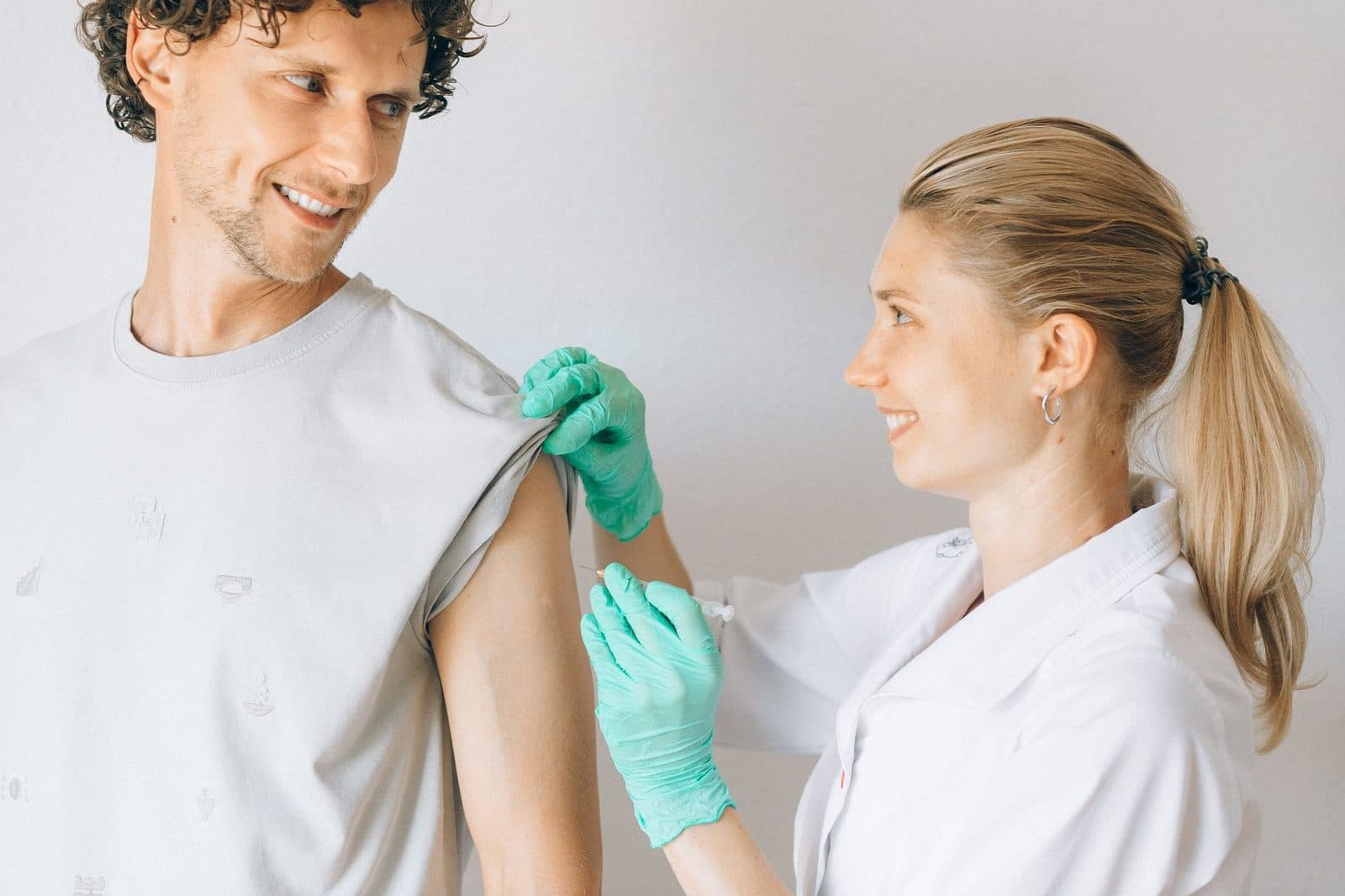
When you think of vaccines, childhood immunizations likely come to mind: those routine shots that protect against measles, mumps, and polio. But the truth is, vaccination isn't something you outgrow. Adults need vaccines too, and staying current with your immunizations is one of the most important steps you can take to protect your health as you age.
Many adults are surprised to learn they're behind on their vaccines, or don't realize that new vaccines become recommended as we get older. From annual flu shots to shingles vaccines and COVID-19 boosters, adult immunizations play a critical role in preventing serious illness, hospitalization, and even death. Yet millions of adults in the United States remain unvaccinated or under-vaccinated, putting themselves and their communities at unnecessary risk.
Why Adult Vaccines Matter
Immunity from childhood vaccines can fade over time, and as we age, our immune systems naturally become less robust. This makes adults, especially those over 50, more vulnerable to certain infections. Additionally, new vaccines have been developed since many adults completed their childhood immunizations, offering protection against diseases that weren't preventable decades ago.
Adult vaccines protect not only you but also those around you. When you're vaccinated, you reduce the spread of disease to vulnerable populations like infants, elderly individuals, and people with weakened immune systems. This concept, known as community immunity or herd immunity, is especially important for diseases like whooping cough and influenza.
Beyond personal and public health benefits, staying up to date with vaccines can save you time, money, and significant discomfort. Many vaccine-preventable diseases require hospitalization, lead to lost workdays, and can result in long-term complications. Prevention is always easier, and less expensive, than treatment.
Key Vaccines Every Adult Should Know About
The Centers for Disease Control and Prevention (CDC) publishes an adult immunization schedule that outlines which vaccines are recommended based on age, health conditions, lifestyle, and travel plans. Here are some of the most important vaccines for adults:
"Vaccines are one of the most effective tools we have to prevent disease and protect health across the lifespan. Staying up to date isn't just smart. It's essential."
Who Needs Extra Protection?
Certain groups of adults have higher risk for complications from vaccine-preventable diseases and may need additional vaccines or earlier vaccination schedules:
- Adults with chronic conditions like diabetes, heart disease, asthma, or COPD
- Pregnant women (certain vaccines like Tdap and flu are recommended during pregnancy)
- Adults with weakened immune systems due to HIV, cancer treatment, or immunosuppressive medications
- Healthcare workers and caregivers who have regular contact with vulnerable populations
- Travelers to areas where certain diseases are more common
- Adults who smoke or have other lifestyle risk factors
If you fall into one of these categories, talk with your primary care provider about which vaccines are right for you and whether you need any catch-up immunizations.
Common Myths and Concerns About Adult Vaccines
Despite overwhelming evidence of their safety and effectiveness, vaccines are sometimes met with hesitation. Let's address some common concerns:
Myth: "I'm healthy, so I don't need vaccines."
Vaccines aren't just for people who are sick. They're designed to prevent illness before it starts, and even healthy adults can become seriously ill from vaccine-preventable diseases.
Myth: "Vaccines can give you the disease they're meant to prevent."
Most vaccines contain inactivated (killed) viruses or just pieces of the virus, so they cannot cause the disease. You may experience mild side effects as your immune system responds, but this is not the same as getting sick.
Myth: "I had the disease as a child, so I'm protected."
Natural immunity can wane over time, and some diseases, like tetanus, don't provide lasting immunity even after infection. Vaccines offer reliable, long-term protection.
Myth: "Vaccines are full of dangerous ingredients."
Vaccines are rigorously tested for safety. The ingredients used are present in tiny amounts and are necessary to make the vaccine effective or preserve it. The risks from vaccine-preventable diseases far outweigh any risks from vaccines.
How to Stay on Track with Your Immunizations
Keeping up with adult vaccines can feel overwhelming, but your primary care provider is your best resource. Here are some practical tips to help you stay on track:
Take Charge of Your Health with Preventive Care
Vaccines are a cornerstone of preventive medicine. They offer powerful protection against serious illnesses, reduce healthcare costs, and support a healthier community. Whether you're in your 30s, 50s, or beyond, it's never too late to catch up on vaccines you may have missed or to learn about new vaccines that are now available.
At Body1MD Primary Care & Wellness in Los Ranchos de Albuquerque, NM, prevention is the foundation of care. Dr. Hemmen can review your vaccination history, help you understand which vaccines you need, and answer your questions. Don't wait until you're sick to think about your health. Be proactive and protect yourself today.
If it's been a while since you reviewed your vaccine status, or if you're not sure which immunizations you need, schedule a visit with your primary care provider. A few simple shots can make a big difference in keeping you healthy for years to come.