
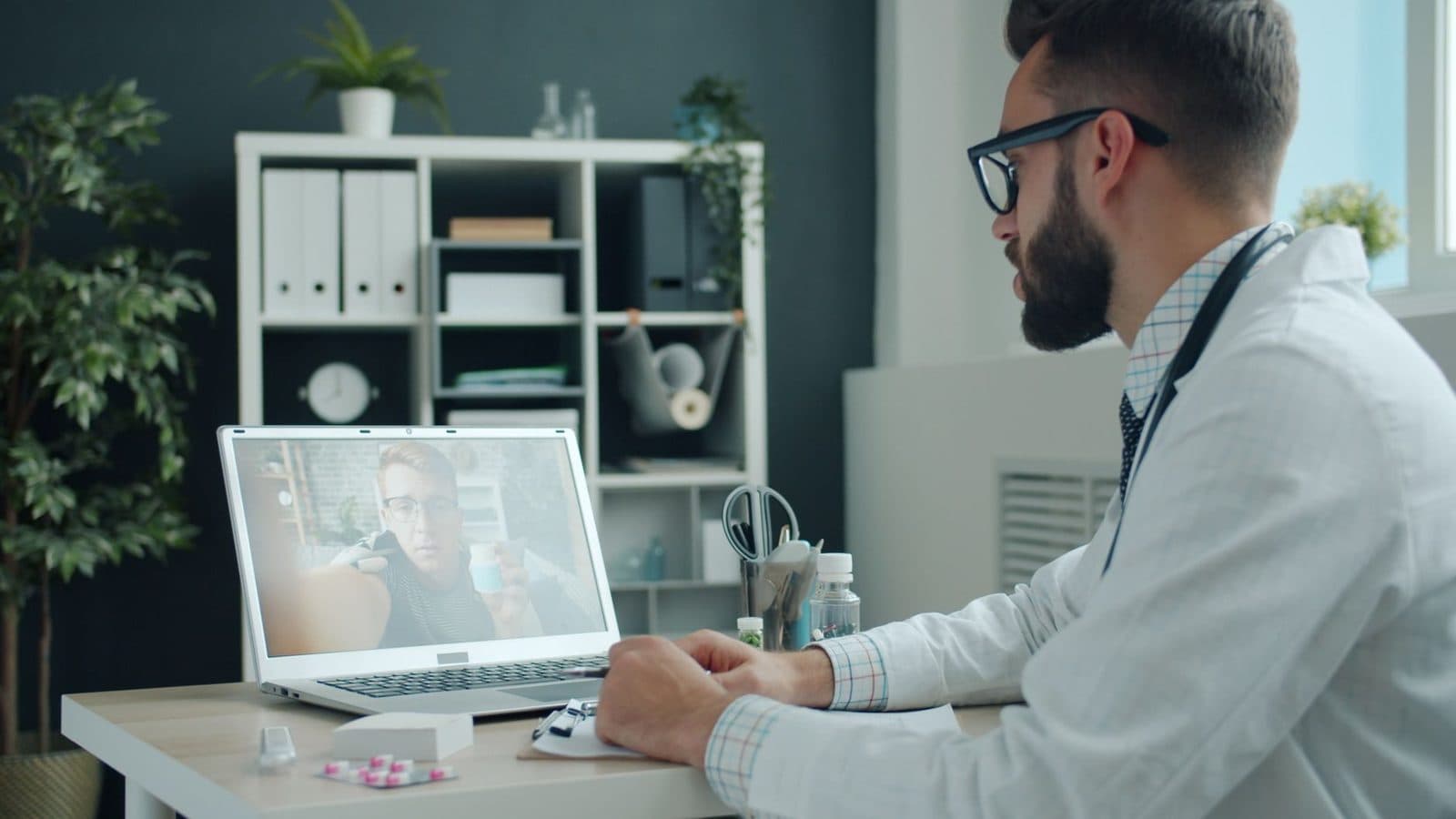
The morning alarm goes off. Your throat feels scratchy, your head aches, and you know you need medical advice, but the thought of sitting in a waiting room, taking time off work, and exposing yourself to other illnesses feels overwhelming. Enter telemedicine: the ability to connect with your primary care provider from the comfort of home, often within hours rather than days.
Telemedicine has transformed from a convenience into an essential healthcare delivery method. But which types of primary care visits truly work well virtually? Understanding what can be effectively addressed through a screen, and what still requires an in-person visit, empowers you to make informed decisions about your care while maximizing convenience and access.
Understanding Virtual Primary Care
Telemedicine in primary care refers to video or phone consultations with your doctor for evaluation, diagnosis, treatment, and ongoing management of health conditions. Unlike urgent care apps that connect you with random providers, virtual primary care maintains the continuity of your existing doctor-patient relationship: your provider knows your history, medications, and health goals.
This continuity makes virtual visits particularly effective for many common primary care needs. Your doctor can review your medical record, discuss symptoms in detail, prescribe medications, order lab tests, and coordinate specialist referrals, all through a secure video platform.
What Works Exceptionally Well Virtually
Certain types of primary care visits translate seamlessly to a virtual format, often with advantages over traditional in-office appointments:
"Telemedicine doesn't replace the doctor-patient relationship. It extends it, making care more accessible while maintaining the continuity and personalization that define quality primary care."
When Virtual Care Has Limitations
While telemedicine excels in many areas, certain situations still require in-person evaluation. Understanding these limitations helps you know when to schedule an office visit:
Physical examinations requiring hands-on assessment: Abdominal pain needing palpation, suspicious lumps or masses, joint injuries requiring movement testing, and detailed skin lesion examinations often need in-person evaluation.
Procedures and diagnostic tests: Blood draws, EKGs, X-rays, biopsies, and minor surgical procedures must be performed in person. However, your provider can conduct a virtual visit first to determine whether these procedures are necessary.
Acute emergencies: Chest pain, difficulty breathing, severe bleeding, signs of stroke, or severe allergic reactions require immediate emergency care. Call 911 rather than scheduling any type of appointment.
Complex new symptoms: When experiencing multiple concerning symptoms or a significant change in health status, an in-person comprehensive examination may provide more diagnostic clarity.
Research Supporting Virtual Primary Care
Studies have consistently demonstrated that telemedicine delivers comparable outcomes to in-person care for appropriate conditions. Research published in major medical journals shows that virtual visits for chronic disease management result in similar control of blood pressure, blood sugar, and cholesterol levels compared to traditional office visits.
Patient satisfaction rates with telemedicine remain consistently high, with surveys showing that 80-90% of patients report being satisfied or very satisfied with virtual care experiences. Factors contributing to satisfaction include reduced travel time, shorter wait times, easier scheduling, and the ability to fit appointments into busy schedules without taking time off work.
Virtual care has also been shown to improve medication adherence and follow-up compliance. When appointments are more convenient, patients are more likely to attend them, leading to better continuity of care and improved health outcomes.
Making the Most of Your Virtual Visit
To maximize the effectiveness of telemedicine appointments, consider these practical tips:
The Future of Hybrid Primary Care
The most effective approach to primary care increasingly involves a hybrid model, combining virtual visits for appropriate situations with in-person care when physical examination or procedures are needed. This flexibility allows you to access care when and how you need it, reducing barriers while maintaining quality.
Many primary care practices now offer same-day or next-day virtual appointments for acute concerns, regular virtual follow-ups for chronic conditions, and scheduled in-person visits for annual exams and preventive care. This integrated approach maximizes convenience without compromising thoroughness.
Telemedicine has proven to be far more than a pandemic-era workaround. It's a valuable tool that expands access, improves convenience, and maintains care quality for a wide range of primary care needs. By understanding what works well virtually and when in-person care is preferable, you can make informed decisions about your health while benefiting from the flexibility that modern technology provides. At Body1MD, members have direct access to Dr. Hemmen by phone and text between visits, which covers many of the quick questions described above. Reach out to learn how that access works and when an in-person visit is the better choice.