
Asthma Treatment in Albuquerque
Asthma doesn't have to control your life. At Body1MD Primary Care & Wellness, Dr. Hemmen provides thorough, evidence-based asthma care that helps you breathe easier and live fully, with a treatment plan built around your needs.
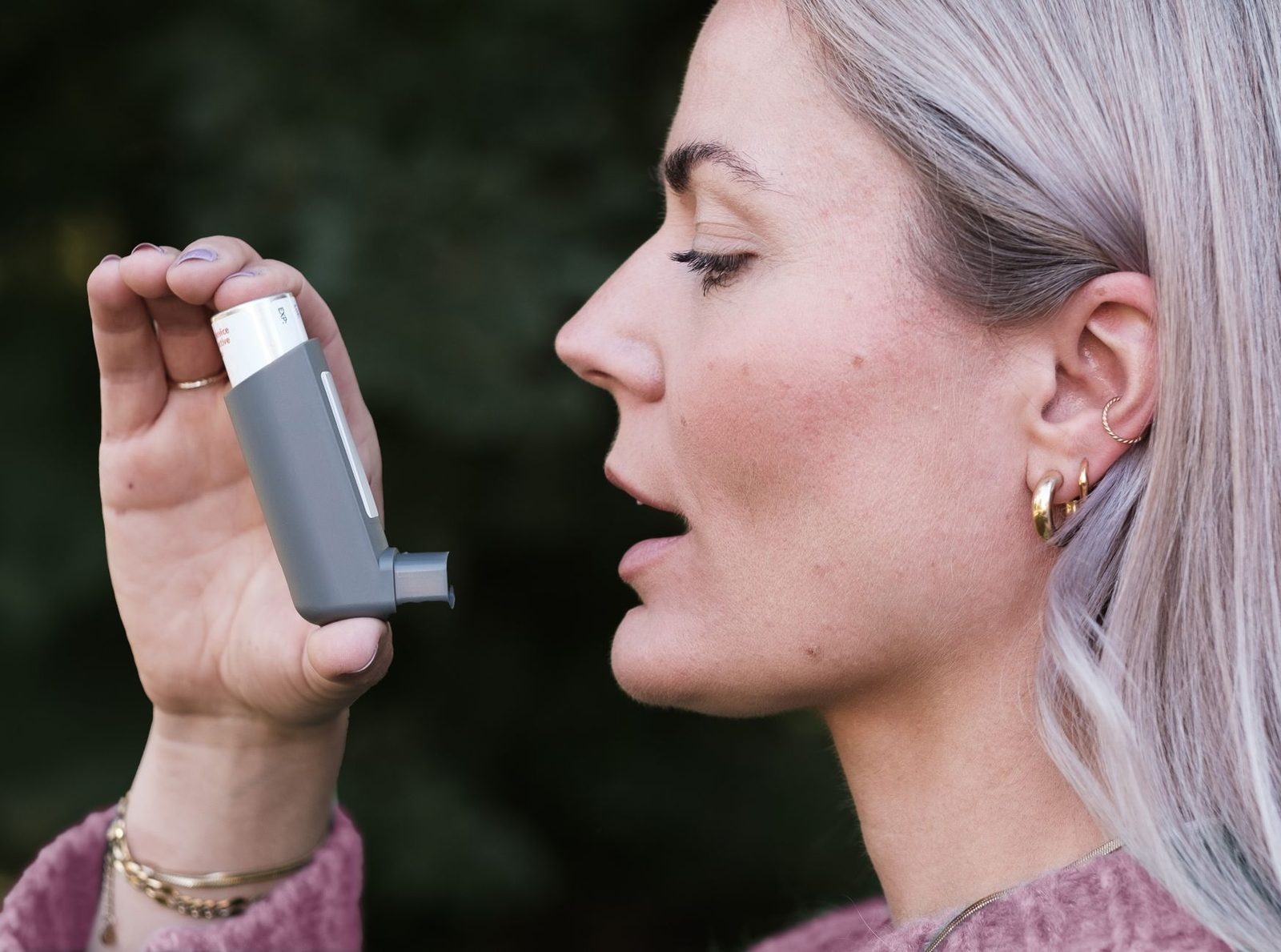
Understanding Asthma
Asthma is a chronic respiratory condition that affects the airways in your lungs, causing them to become inflamed, narrow, and produce excess mucus. This leads to difficulty breathing, wheezing, coughing, and chest tightness. According to the CDC, more than 25 million Americans live with asthma. In the Albuquerque area, spring tree pollen, windy days that stir up pollen and dust, dry high-desert air, and smoke from wildfires in some seasons can all make asthma harder to control. Left uncontrolled, asthma can significantly affect your quality of life: limiting physical activity, disrupting sleep, reducing work productivity, and in severe cases leading to emergency department visits or hospitalization. The good news is that with proper medical care and an individualized treatment plan, most people with asthma can achieve good control and lead active, fulfilling lives.
Asthma develops from a combination of genetic predisposition and environmental triggers. Common causes and risk factors include family history of asthma or allergies, exposure to tobacco smoke (especially during childhood), occupational irritants such as chemical fumes or dust, respiratory infections during early childhood, and living in areas with high air pollution. Allergic asthma, the most common type, is triggered by substances like pollen, mold spores, pet dander, dust mites, and cockroach droppings. Other triggers include cold or dry air, smoke, exercise, stress, certain medications (like aspirin or beta-blockers), and gastroesophageal reflux disease (GERD). Understanding your personal triggers is a cornerstone of effective asthma management, and Dr. Hemmen takes the time to identify them during your evaluation.
Professional medical treatment is essential for asthma because this condition requires ongoing monitoring, medication adjustment, and trigger identification that cannot be managed well through self-care alone. Many people with asthma underestimate the severity of their symptoms or rely too heavily on rescue inhalers without addressing the underlying inflammation. A primary care physician can order pulmonary function testing, prescribe controller medications to prevent symptoms before they start, develop an asthma action plan for managing flare-ups, and coordinate care with specialists when needed. Early intervention and consistent follow-up reduce the risk of lasting airway damage, help prevent asthma attacks, and help you maintain lung function throughout your life. At Body1MD, Dr. Hemmen combines evidence-based medicine with a personalized approach to give you the tools and support you need to breathe easier every day.
Signs & Symptoms of Asthma
- Shortness of breath: Feeling like you can't get enough air, especially during physical activity or at night.
- Wheezing: A high-pitched whistling sound when breathing, particularly during exhalation.
- Chest tightness: A feeling of pressure or constriction in the chest, as if something is squeezing your lungs.
- Persistent coughing: Chronic cough that worsens at night, in cold air, or after exercise, sometimes producing mucus.
- Rapid breathing: Breathing faster than normal or feeling like you need to take quick, shallow breaths.
- Difficulty speaking: Trouble completing full sentences without pausing to catch your breath during asthma flare-ups.
- Fatigue: Feeling exhausted from difficulty breathing or disrupted sleep caused by nighttime asthma symptoms.
- Exercise avoidance: Limiting physical activity or sports due to fear of triggering asthma symptoms or shortness of breath.
- Sleep disturbances: Waking up at night with coughing, wheezing, or difficulty breathing that disrupts rest and recovery.
- Frequent rescue inhaler use: Needing to use your quick-relief inhaler more than twice per week, indicating poor asthma control.
- Missing work or school: Absenteeism due to asthma symptoms, medical appointments, or recovery from asthma exacerbations.
- Anxiety about symptoms: Worry or fear about when the next asthma attack will occur, leading to stress and hypervigilance.
- Social withdrawal: Avoiding outdoor activities, gatherings, or places with potential triggers like smoke or strong fragrances.
- Emergency visits: Requiring urgent care or emergency department treatment for severe asthma attacks or exacerbations.
What to Expect
- Thorough assessment of your symptoms and triggers, with pulmonary function testing (spirometry) ordered when needed to measure airflow and establish a baseline
- Personalized treatment plans with controller medications, rescue inhalers, and environmental modifications
- Evidence-based treatments including inhaled corticosteroids and LABAs, with specialist referral for biologic therapies when appropriate
- Regular monitoring and adjustment to maintain optimal control with lowest effective medication doses
- Direct access to Dr. Hemmen by phone and text between visits for questions, medication adjustments, and action plan updates
- Education on proper inhaler technique, peak flow monitoring, and early warning signs of worsening asthma
How We Treat Asthma
Comprehensive Assessment
Your care begins with a thorough evaluation including a detailed medical history, symptom review, and identification of triggers. Dr. Hemmen may order pulmonary function testing (spirometry) to measure lung capacity and airflow, assess the severity of your asthma, and establish a baseline for tracking improvement, or refer you to a pulmonologist when that is the better route. This diagnostic clarity makes it possible to build a treatment plan tailored to your condition.
Personalized Treatment Plan
Based on your assessment, we develop an individualized asthma action plan that includes controller medications to prevent inflammation, rescue inhalers for acute symptoms, and environmental modifications to reduce exposure to triggers. We educate you on proper inhaler technique, peak flow monitoring, and early warning signs of worsening asthma. Your plan is designed to fit your lifestyle while maximizing symptom control.
Ongoing Care & Monitoring
Asthma is a chronic condition that requires regular monitoring and adjustment. We schedule follow-up visits to assess treatment effectiveness, adjust medications as needed, and address any new concerns or changes in symptoms. Through continuous support and proactive management, we help you maintain optimal lung function, prevent exacerbations, and achieve your personal health goals while minimizing medication side effects.
Benefits
Board-Certified Expertise
Dr. Hemmen is board-certified in internal medicine and has more than 20 years of experience caring for hospitalized patients. He follows current guidance from the National Asthma Education and Prevention Program (NAEPP) and the Global Initiative for Asthma (GINA), so your care reflects the most recent evidence and best practices.
Personalized, Patient-Centered Care
We recognize that every patient's asthma is unique, with different triggers, severity levels, and lifestyle factors. Rather than applying a one-size-fits-all approach, we take the time to understand your specific situation, preferences, and goals. Your treatment plan is built around your life, not the other way around, ensuring sustainable long-term success.
Direct Access Between Visits
You can reach Dr. Hemmen directly by phone and text when symptoms change, a refill is running low, or your action plan needs updating. He will tell you whether a phone check-in is enough or whether you should come in, and same- or next-day appointments are available in most cases.
Coordinated Specialist Care
Most asthma can be managed well in primary care. When yours needs more, such as severe persistent asthma, frequent flare-ups, or evaluation for allergy testing, immunotherapy, or biologic therapy, Dr. Hemmen refers you to a pulmonologist or allergist and stays involved so your care remains coordinated.
Your Treatment Journey
First Evaluation (Week 1)
Your initial visit includes a comprehensive health history and physical examination. We discuss your symptoms, identify triggers, review any previous treatments, and assess the impact of asthma on your daily life. Dr. Hemmen may order pulmonary function testing to confirm the diagnosis and set a baseline. You'll leave with a preliminary asthma action plan and initial prescriptions if needed. Visits are designed to last up to an hour, which leaves time to lay a solid foundation for your personalized care.
Treatment Begins (Weeks 2-4)
You'll start your prescribed controller medications and put trigger avoidance strategies into practice. Most patients begin to notice improvement within 2-4 weeks as airway inflammation decreases. During this period, we encourage you to track your symptoms using a peak flow meter or symptom diary. You can check in with Dr. Hemmen by phone or text to report early progress and ask questions about medication use or side effects.
Progress Review (Months 2-3)
At your follow-up visit, we reassess your breathing, review symptom control, and evaluate the effectiveness of your treatment plan. Based on your progress, we may adjust medication dosages, add or remove treatments, or modify your asthma action plan. The goal is to find the lowest effective dose of medication that keeps your asthma well-controlled. Many patients achieve significant improvement by this stage, with reduced symptoms and better quality of life.
Long-term Management (Ongoing)
Once your asthma is well-controlled, we transition to maintenance care with visits every 3-6 months or as needed. Long-term management focuses on preventing exacerbations, maintaining lung function, and adjusting treatment in response to seasonal changes or life circumstances. Asthma is a chronic condition, but with proper care, most patients achieve excellent control and live active, unrestricted lives. We remain your partner in asthma management for the long term.
Evidence-Based Treatment Modalities
At Body1MD Primary Care & Wellness, asthma treatment follows the evidence. Options include inhaled corticosteroids (ICS) as first-line controller therapy to reduce airway inflammation, long-acting beta-agonists (LABAs) combined with ICS for moderate to severe asthma, leukotriene modifiers for allergic asthma, and short-acting beta-agonists (SABAs) as rescue medication for acute symptoms. For patients with severe or allergic asthma, biologic therapies such as omalizumab may be an option, and Dr. Hemmen can discuss them and refer you to a specialist who provides them. Care also emphasizes trigger avoidance (including steps for smoky or windy days), allergy testing or allergist and immunotherapy referrals when appropriate, breathing exercises, and lifestyle changes including support to quit smoking. The approach combines medication with education, so you have the knowledge and tools to manage your asthma confidently in daily life.
When to Seek Help
If you recognize these signs, help is available. Early treatment leads to better outcomes, better lung function, and a higher quality of life. Contact Body1MD Primary Care & Wellness to start your personalized asthma treatment plan with Dr. Hemmen.
Common Questions About Asthma
How long does asthma treatment take?
Asthma is a chronic condition that requires ongoing management rather than a cure. However, most patients notice significant symptom improvement within 2-4 weeks of starting controller medication. Achieving optimal control typically takes 2-3 months as we fine-tune your treatment plan. Long-term management involves regular follow-ups every 3-6 months to maintain control, adjust medications seasonally, and prevent exacerbations. With consistent treatment, many patients achieve excellent control and minimal symptoms.
Is medication always required for asthma?
For most people with asthma, medication is essential to control symptoms and prevent long-term lung damage. Mild intermittent asthma may be managed with a rescue inhaler alone, but persistent asthma (symptoms more than twice per week) requires daily controller medication to reduce airway inflammation. Attempting to manage asthma without appropriate medication can lead to worsening symptoms, permanent airway remodeling, and increased risk of severe exacerbations. However, we always prescribe the lowest effective dose and adjust treatment over time based on your control.
How does paying for asthma care work at Body1MD?
Body1MD is a Direct Primary Care (DPC) practice and does not bill insurance. You pay the practice directly through a month-to-month membership: $100 per month if you are under 50 and $150 per month if you are 50 or older, with no annual contract and no annual concierge retainer. Membership means longer visits, designed to last up to an hour, and direct access to Dr. Hemmen. Many DPC members keep insurance or a high-deductible plan for hospital care, specialists, and imaging. Asthma care can also involve pulmonary function testing, inhalers, and other prescriptions, and Dr. Hemmen's office can explain how outside labs, imaging, and prescriptions are handled before you join. We're happy to talk through whether DPC is a good fit for your situation.
What if my current asthma treatment isn't working?
If your current asthma treatment isn't providing adequate control, it's important to seek reevaluation rather than continuing to struggle with symptoms. Poor asthma control can result from several factors: incorrect inhaler technique, unidentified triggers, inadequate medication dosing, medication non-adherence, or the presence of comorbid conditions like allergies or GERD. At Body1MD, Dr. Hemmen does a thorough reassessment to find out why your treatment isn't working and builds an improved plan. This may include stepping up therapy, adding a different medication class, ordering allergy testing, or referral to a pulmonologist for specialized care.
Can I reach Dr. Hemmen between visits about my asthma?
Yes. Body1MD patients have direct access to Dr. Hemmen by phone and text between visits. That works well for many asthma questions: how your symptoms are trending, medication side effects, refills, and updates to your action plan. Dr. Hemmen may ask you to use a home peak flow meter and share your readings. He will tell you whether a phone check-in is enough or whether you should come in, and your first evaluation and any pulmonary function testing happen in person. If your symptoms are worsening quickly or your rescue inhaler isn't helping, seek emergency care right away.
Will I need to see a specialist for asthma?
Most cases of asthma can be managed well in primary care without a specialist. However, Dr. Hemmen may refer you to a pulmonologist or allergist if you have severe persistent asthma, frequent exacerbations despite treatment, difficulty achieving control with standard medications, suspected occupational asthma, or if you're a candidate for biologic therapies. He can refer you to specialists in the Albuquerque area and coordinate your care to ensure continuity. Even with specialist involvement, Body1MD remains your primary care home and Dr. Hemmen continues to oversee your overall health.
Related Conditions
Related
Chronic Obstructive Pulmonary Disease (COPD)
Comprehensive management of chronic lung conditions including emphysema and chronic bronchitis with personalized treatment plans.
Related
Seasonal Allergies
Diagnosis and treatment of allergies that often trigger or worsen asthma symptoms, with allergy testing or allergist referral when needed.
Related
Acid Reflux (GERD)
Treatment for acid reflux, which can trigger asthma symptoms and complicate asthma management if left untreated.
Get Help for Asthma Today
You don't have to face asthma alone. Dr. Hemmen is ready to help you breathe easier and live better.
Book a Visit